
Author: Dharmesh Prajapati
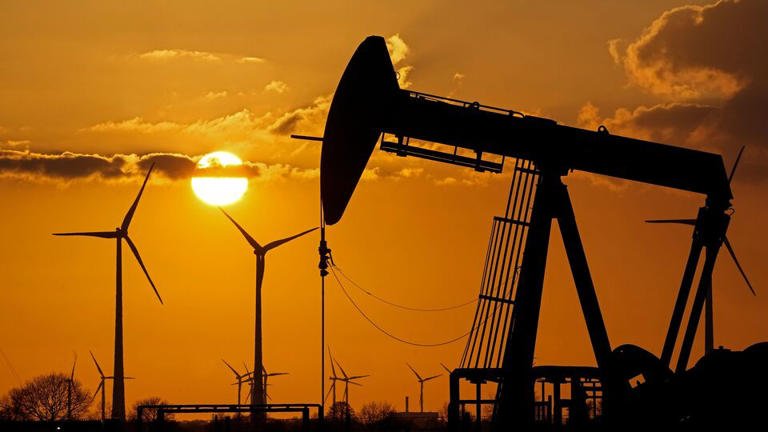
Greetings friends, I am Dharmesh Prajapati. Today, May 15, 2026, Prime Minister Narendra Modi has embarked on a high-stakes five-nation diplomatic tour covering the UAE, Netherlands, Sweden, Norway, and Italy. This visit comes at a “Critical System Alert” for the Indian economy, as Brent crude prices have surged past $107 per barrel due to ongoing geopolitical tensions in the Persian Gulf. +1
As an IT infrastructure professional, I see this tour as a “Strategic Load Balancing” mission. With India importing nearly 85–90% of its oil, our “Economic Server” is under heavy stress. The Prime Minister is essentially looking for “Alternate Gateways” and “Backup Power Sources” to keep the nation running smoothly. Let’s decode how this tour might help mitigate the crude oil shock.
1. The Tour Map: Strategic Nodes
The PM’s itinerary is carefully designed to address both short-term supply and long-term energy transition:
- UAE (The Energy Hub): The first and most vital stop. Discussions with President Sheikh Mohamed bin Zayed Al Nahyan will focus on securing LPG and crude supplies through alternative routes like Fujairah, which bypasses the volatile Strait of Hormuz “Chokepoint.” +1
- Nordic Nations (Sweden & Norway): Norway’s sovereign wealth fund is a major investor in India. The focus here is on the Blue Economy and Green Tech—the “System Upgrades” needed to reduce fossil fuel dependence.
- Netherlands & Italy: These stops focus on Green Hydrogen and Resilient Supply Chains, essentially building a “Firewall” against future energy shocks.
2. India’s Multi-Layered Defense Strategy
While the PM handles the “External Interface” (Diplomacy), the government is also working on “Internal Optimization”:
- Strategic Reserves: India is looking to enhance its Strategic Petroleum Reserves (SPR) by collaborating with global giants like ADNOC.
- Consumption Throttling: As I wrote earlier, the PM has appealed to citizens to use fuel sparingly—encouraging WFH, carpooling, and metros to reduce “Data Traffic” (demand) on our oil imports.
- Fiscal Patch: The government has already deployed “Excise Duty Cuts” to shield consumers, but these are temporary “Cache Files” that cannot last forever if global prices stay above $110.
3. Dharmesh’s Technical Analysis: “The Energy Load Test”
As an Administrator, I view this crisis through the lens of Resource Management:
- Redundancy is Key: India’s heavy reliance on the Persian Gulf is a “Single Point of Failure.” By engaging with Northern Europe and seeking routes via Fujairah, the PM is creating “Redundant Paths” for our energy supply.
- Long-Term System Migration: The shift to Green Hydrogen and EVs is like migrating from a “Legacy Server” (Oil) to a “Cloud-Based Infrastructure” (Renewables). It’s expensive at first, but it provides much better “Uptime” and security in the long run.
- Dharmesh’s Advice: Every drop of petrol saved is foreign exchange earned. Treat your fuel consumption like “Server Bandwidth”—use it only when necessary. Opting for public transport isn’t just a lifestyle choice; it’s a “Network Optimization” for the country.
Conclusion
PM Modi’s five-nation tour is a bold attempt to “Debug” India’s energy vulnerability. While the UAE stop provides a “Hardware Fix” (immediate oil/LNG), the European legs provide the “Software Update” (Green tech). If these deals “Execute” successfully, India may find the “Buffer” it needs to weather the current global storm.
Will these diplomatic “Handshakes” be enough to stabilize fuel prices at the pump? Only the “Live Logs” of the coming months will tell.
Connect with Dharmesh Prajapati: +91 7359585035 Call / WhatsApp
Website: ambeinfotech.com
Read more on: newsforyou.live
Disclaimer: This analysis is based on current diplomatic itineraries and global energy market reports as of May 15, 2026. Global crude prices are subject to high volatility based on real-time geopolitical “Events.”