
By Dharmesh Prajapati
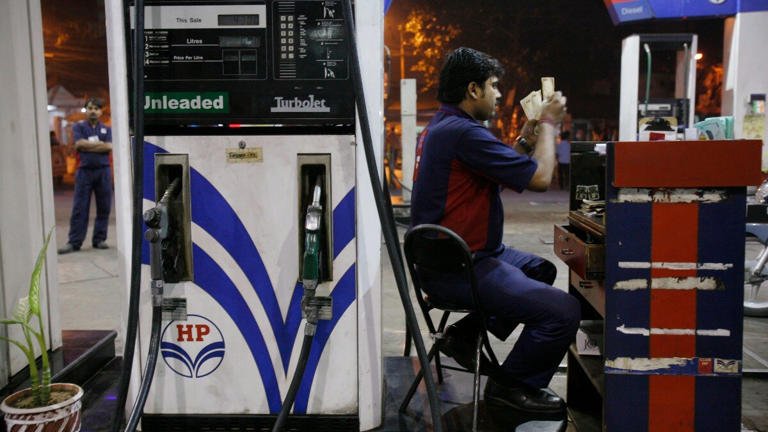
Global crude oil prices have finally slipped below the psychologically important $100-per-barrel mark after weeks of turmoil linked to the Iran conflict. But even as oil prices cool globally, Indian consumers are still facing repeated hikes in petrol and diesel prices.
As of 11:15 am, global crude oil prices moved lower amid hopes of easing tensions between the US and Iran. WTI crude was trading at $90.80 per barrel, down 6% or $5.80, while Brent crude slipped 5.64% to $97.70 per barrel, falling by $5.84.
In fact, fuel prices in India have now been raised four times in less than two weeks, with petrol prices increasing by nearly Rs 8 per litre during this period.
That has left many consumers asking a simple question: if crude oil prices are falling globally, why are petrol and diesel still getting costlier in India?
The answer lies in a mix of delayed price revisions, rupee weakness, taxes and losses accumulated earlier by state-run oil companies.
CRUDE OIL MAY BE FALLING NOW, BUT IT WAS RECENTLY NEAR $120
One important point often missed in the debate is that crude oil prices may have fallen below $100 now, but they had surged sharply over the past few months.
During the peak of the Iran conflict and fears around disruptions in the Strait of Hormuz, global crude oil prices had moved close to $120 per barrel.
At that time, Indian oil marketing companies did not immediately pass on the full increase to consumers.
Instead, companies such as Indian Oil Corporation, Bharat Petroleum Corporation Limited, and Hindustan Petroleum Corporation Limited continued selling fuel at lower prices despite rising import costs.
Now, even though crude prices have cooled somewhat, oil companies are trying to recover those earlier losses.
That is one of the biggest reasons why petrol and diesel prices are still rising despite the recent fall in crude oil.
$100 OIL IS STILL VERY EXPENSIVE
Another important factor is that crude oil below $100 may sound cheap only because prices recently touched nearly $120.
Historically, however, $100 crude is still considered very expensive for an oil-importing country like India.
India imports nearly 85–90% of its crude oil requirements. That means even small changes in global oil prices can significantly impact India’s import bill and fuel costs.
So while crude has cooled from extreme highs, prices still remain elevated compared to long-term averages.
RUPEE ALSO A BIG FACTOR
Fuel prices in India are not determined by crude oil prices alone.
The value of the Indian rupee against the US dollar also plays a major role.
Oil is purchased globally in dollars. So when the rupee weakens, importing crude oil becomes more expensive even if global oil prices fall.
The rupee has weakened sharply in recent months and recently touched record lows near 97 against the US dollar before recovering slightly.
This has increased the cost of importing crude oil for Indian refiners.
“Structurally, India imports nearly 85% of its crude oil, so rupee depreciation against the US dollar increases import costs,” said Dr Manoranjan Sharma, Chief Economist at Infomerics Ratings.