
Meet navasana or boat pose that tones your core, sharpens your focus and supports better digestion
By Dr. Heiral
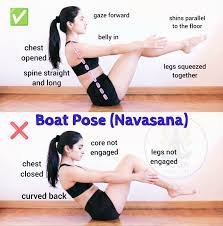
From the outside looking in, yoga might seem like a gentle, relaxing discipline: more calming breathwork than a core workout. But the right yoga pose can work the body with more precision and intensity than the most punishing gym class. One posture, in particular, has earned high marks from both research and experienced instructors: navasana or boat pose.
A study from Auburn University in Montgomery placed navasana among the most effective core exercises across yoga and Pilates alike. In fact, renowned yoga teacher, Sharath Jois once claimed that holding the pose for 25 breaths (broken into five-breath rounds with rests in between) can rival the effects of doing 100 traditional sit-ups.
Beyond aesthetics, navasana builds deep, functional strength. “This classic stabilisation posture tones the abdominal muscles, hip flexors, glutes, pelvic muscles and back,” explains yoga instructor José Martín Fernández. “By engaging the core, it also stimulates the abdominal organs, aiding digestion and supporting metabolic health.” Yoga teacher Xua Lang also notes that, in addition to strengthening the core, back and arms, this yoga pose can help burn abdominal fat.
A cortisol-lowering core move? Yes, please
As with many yoga postures, the benefits go beyond the body. “Balancing and holding the body steady in boat pose can help build willpower and self-confidence,” Fernández says. It’s also a subtle stress-reliever: a 2023 study published in Biomedicine found that regular yoga and meditation significantly lowered cortisol levels in medical students over six weeks. Stabilisation postures like navasana demand focus, breath control and internal awareness, all of which help calm the nervous system and regulate stress responses.
Boat pose trains your brain, too
Since navasana is an isometric hold that requires balance and coordination, it also supports cognitive function. “Balance work is incredibly beneficial for the brain,” says Diana Gil of Solid Studio. “It sharpens concentration and strengthens the neuromuscular connection between breath, core and pelvic floor. Plus, it’s challenging and fun.”
How to practise navasana properly
- Start seated with your legs extended.
- Bend your knees and lift your feet off the floor, eventually straightening the legs into a V shape, if possible.
- Keep your spine long, chest open and arms reaching forward.
- Gaze slightly upwards and engage the core to stabilise.
For a gentler variation, keep the knees bent. Hold for 5 to 10 deep breaths, then cross the legs, rest the feet and repeat up to five rounds.
One of the most common mistakes in boat pose is rounding the spine instead of lifting through the chest. Instructors also caution against holding the breath, tensing the shoulders or trying to lift the legs higher than your core strength allows. The goal is stability rather than height.
If boat pose causes discomfort in the lower back, it may be a sign that the core is not fully engaged or that the spine has begun to collapse. Returning to a bent-knee variation can help build strength safely while maintaining proper alignment.
Who should avoid navasana?
While navasana is accessible for many people, those with lower back injuries, hip flexor strains, hernias, recent abdominal surgery or certain stages of pregnancy should consult a qualified instructor or healthcare professional before attempting the posture.
Done mindfully, navasana isn’t just about chasing abs; it’s a full-body, full-mind recalibration. And in true yoga fashion, this pose meets you where you are, whether that’s during a sweaty vinyasa (a smooth transition between asanas/poses) or in a quiet moment carved out between meetings.