
4
A fresh geopolitical debate has emerged in South Asia after India strongly rejected claims that the United States was using Indian ports to conduct military strikes against Iran. The denial came shortly after an Iranian naval vessel was torpedoed and sunk in the Indian Ocean, raising tensions across the region.
India’s Ministry of External Affairs (MEA) dismissed the allegation as “fake and baseless,” emphasizing that the country has not allowed its ports or bases to be used for attacks related to the ongoing conflict involving Iran.
The statement followed remarks by former U.S. Army Colonel Douglas Macgregor, who suggested in a media interview that American forces might be relying on Indian naval facilities after some of their bases were reportedly damaged. Indian authorities quickly fact-checked the claim and issued a firm rebuttal.
A Warship Sunk in the Indian Ocean
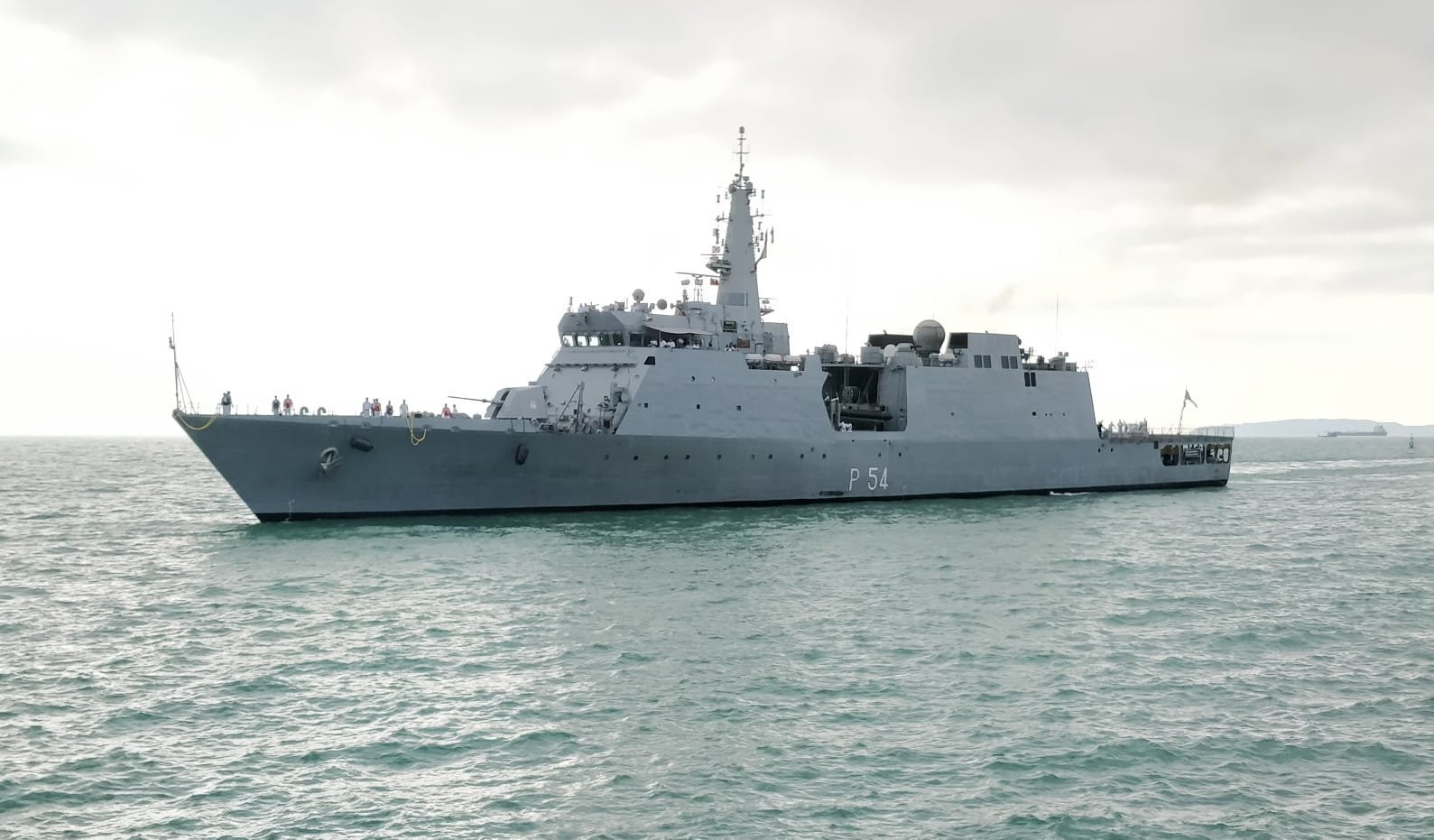
The controversy coincided with a dramatic military incident in the Indian Ocean. An Iranian naval frigate, the IRIS Dena, was sunk by a U.S. Navy submarine using a Mark-48 torpedo while sailing in international waters near Sri Lanka.
The warship had earlier participated in multinational naval exercises hosted by India and was reportedly returning to Iran when the attack occurred. According to available reports, the vessel sank after transmitting a distress signal, with dozens of casualties and several sailors rescued by Sri Lankan authorities.
The incident marks one of the most significant naval escalations in the broader conflict involving the United States and Iran.
India Distances Itself From the Conflict
Amid the rising tensions, India moved quickly to clarify its position. Officials stressed that India is not involved in the military operations and that claims about U.S. forces using Indian ports are entirely false.
New Delhi’s strong response highlights India’s careful diplomatic balancing act in West Asian geopolitics. While India maintains strategic partnerships with the United States, it also has longstanding economic and energy ties with Iran.
This delicate position requires India to remain cautious about being perceived as taking sides in regional conflicts.
Why the Indian Ocean Matters
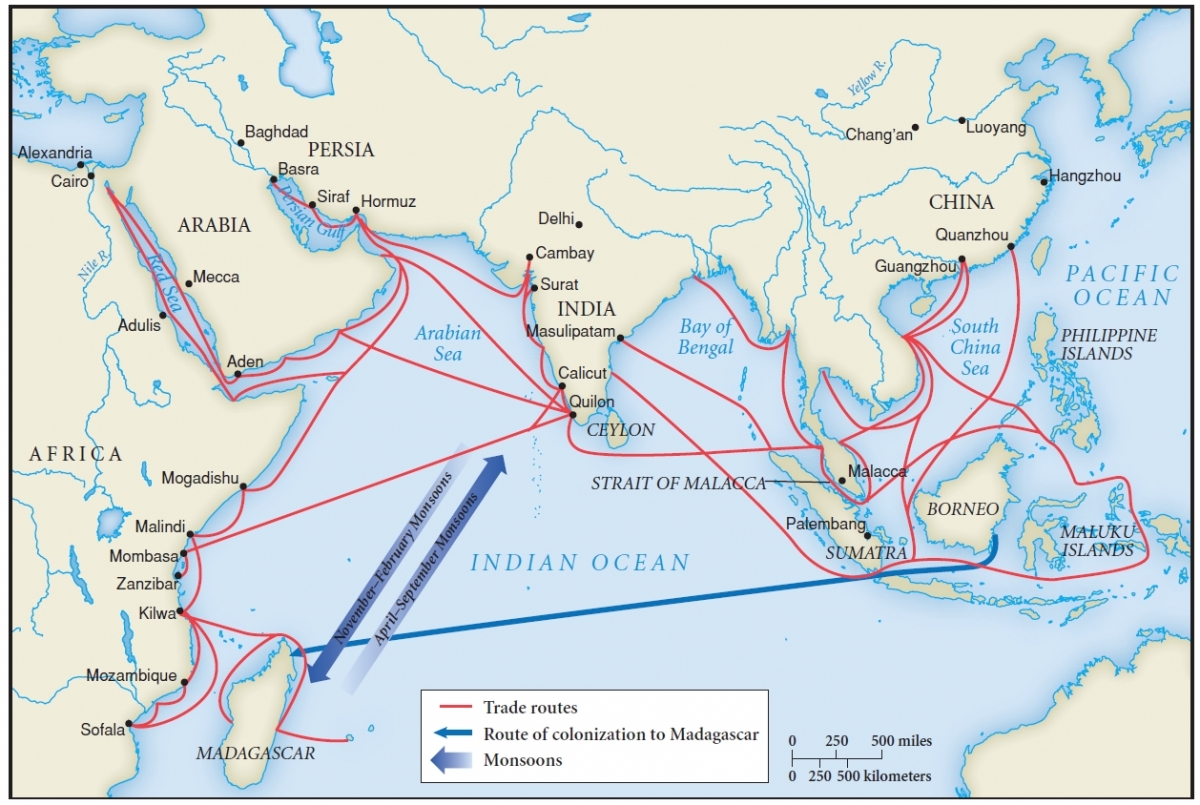
The Indian Ocean has become a critical strategic theatre for global powers. It carries nearly 80% of the world’s maritime oil trade, making stability in the region essential for global energy supply chains.
Countries including India, the United States, China, and Iran maintain naval presence in these waters to safeguard trade routes and strategic interests.
Any escalation in this region can have ripple effects on global shipping, energy markets, and regional security.
The Role of Multinational Naval Exercises
The Iranian warship involved in the incident had previously participated in an international naval event hosted by India, highlighting the cooperative nature of maritime diplomacy.
Such exercises aim to improve:
- Maritime security coordination
- Disaster response readiness
- Anti-piracy operations
- Naval interoperability between countries
Ironically, a ship that had recently taken part in peaceful exercises became part of a major geopolitical flashpoint just days later.
Rising Regional Tensions
The sinking of the Iranian vessel has intensified debate across diplomatic circles. Iran has strongly condemned the attack and warned of consequences, while global analysts fear that naval confrontations could expand the existing conflict beyond the Middle East.
Meanwhile, India continues to emphasize its neutral position and commitment to regional stability.
For New Delhi, the priority remains ensuring that the Indian Ocean — one of the world’s busiest maritime corridors — does not become another theater of prolonged military conflict.
A Test for Diplomacy
Events unfolding in the Indian Ocean demonstrate how quickly local military incidents can evolve into international diplomatic disputes.
India’s swift dismissal of the claims about its ports reflects a broader strategy: protect its strategic autonomy while avoiding entanglement in external conflicts.
As tensions continue to evolve, diplomatic communication and maritime cooperation will play a crucial role in preventing further escalation.
Editorial Note
Written by Dharmesh Prajapati
This article is intended to provide readers with contextual understanding of current geopolitical developments in the Indian Ocean region. The analysis is based on publicly available reports and aims to present a balanced perspective on the diplomatic and security implications of recent events.