
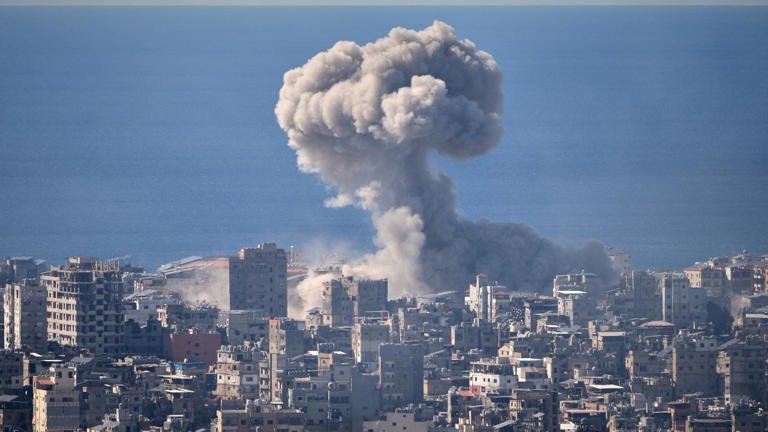
Iran has outlined three key conditions for ceasefire negotiations with the United States and Israel amid the escalating Middle East conflict, signaling a potential off-ramp from prolonged hostilities. These demands—formal recognition of Iran’s regional rights, substantial reparations for war damages, and guarantees against future aggression—reflect Tehran’s strategy to extract concessions while projecting strength.
Top Iranian officials, speaking through state media, emphasized these non-negotiable terms as prerequisites for de-escalation, tying them to recent naval clashes and infrastructure strikes.
Breaking Down the Demands
Iran’s conditions aim to reshape the geopolitical landscape post-conflict:
- Rights Recognition: Tehran demands acknowledgment of its sphere of influence, including proxy militias in Iraq, Syria, Lebanon, and Yemen, plus unchallenged naval presence in the Strait of Hormuz and Persian Gulf.
- Reparations: Financial compensation estimated at $500 billion for destroyed oil facilities, civilian casualties, and economic sanctions fallout, to be funded by US-Israel joint reparations mechanisms.
- Security Guarantees: Binding commitments from Washington and Tel Aviv to halt covert operations, cyber attacks, and preemptive strikes, verified through UN-monitored treaties.
These terms come as Iran’s economy reels from blockades, with LPG export halts rippling into India’s shortages.
Geopolitical Ramifications
For the US under President Trump, accepting these could undermine alliances with Saudi Arabia and Israel, risking domestic backlash amid 2026 reelection cycles. Israel views them as existential threats, vowing no concessions to a nuclear-threshold adversary.
India watches closely, balancing oil imports from Iran against Quad commitments, as prolonged war threatens energy security and inflation.
Regional players like Russia and China back Iran’s stance, potentially vetoing UN resolutions, while Gulf states brace for proxy escalations.
Path to Peace or Stalemate?
Analysts see slim odds of acceptance, predicting drawn-out talks or intensified strikes. Yet, war fatigue on all sides—evident in recent US naval restraint off Sri Lanka—might force compromises.
Iran’s conditions test the limits of diplomacy, underscoring how economic leverage via energy chokepoints shapes modern conflicts.
Editorial Note
Written by Dharmesh Prajapati for newsforyou.live. This article decodes Iran’s bold war-end demands, contextualizing them within global energy shocks and India’s stakes. Balanced insight for readers navigating Middle East headlines. Published March 12, 2026—monitor ceasefire developments.