
By Dharmesh Prajapati
Every year, as the summer heat peaks, we look at our weather applications and read the same alarming words: El Niño, global warming, climate crisis. We sit in our air-conditioned rooms, tracking the rising temperatures like a system administrator monitoring a server that is about to crash due to overheating.
But nature doesn’t need us to merely track the data; it needs a hard reboot.
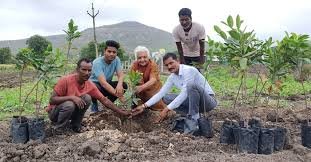
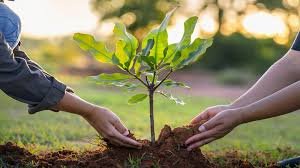
With the monsoon fast approaching, we are about to receive the earth’s most powerful “system update”—rain. This year, I am appealing to every single reader to step forward and install a lifelong green patch for our future generations. We must plant at least two trees this monsoon. More importantly, we must hold our children’s hands and teach them to do the same.
The El Niño Threat: Why Our Children Need a Legacy Patch
The erratic weather patterns we are witnessing—unpredictable rain, scorching heatwaves, and depleted groundwater—are part of a massive ecological imbalance. El Niño effects are no longer just terms in geography textbooks; they are a harsh reality that our children will inherit.
If we look at our planet as an infrastructure network, trees are the primary cooling fans. They absorb carbon, hold the soil, recharge the water table, and naturally bring down the atmospheric temperature. By planting two trees, you aren’t just putting a sapling into the mud; you are setting up a natural shield against the climate uncertainties of tomorrow.
The 1-Year Adoption Protocol: Teaching Kids Accountability
It is easy to plant a tree, take a picture for social media, and walk away. But real growth requires continuous integration.
This monsoon, let us introduce a beautiful family ritual:
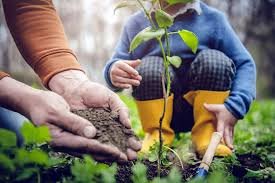
- The Planting Day: Take your kids to a local nursery. Let them choose two native saplings—be it Neem, Gulmohar, Peepal, or a fruit-bearing tree. Let them dig the soil and feel the earth.
- The 1-Year Commitment: Don’t just ask them to plant it; ask them to adopt it. Make it their responsibility to water those two trees, guard them against stray animals, and monitor their growth for at least one year.
- The Life Lesson: When a child nurtures a life for a year, watching a fragile sapling grow into a sturdy young tree, they learn patience, empathy, and accountability. They understand that survival requires daily care, not just a one-time effort.
Dharmesh’s Technical Analysis: “The Eco-Infrastructure”
As an IT professional, I often design backup systems and disaster recovery plans for businesses. Planting trees with your children is the ultimate Disaster Recovery Plan for Humanity.
- Natural Temperature Optimization: A single mature tree can have the cooling effect of 10 room-sized air conditioners operating continuously. By planting trees now, we are optimizing the environment for our children’s future.
- Groundwater Redundancy: Root systems act like natural aquifers. They prevent water runoff during heavy monsoons and force the water deep into the ground, ensuring our wells don’t run dry.
- Dharmesh’s Advice: We spend a lifetime accumulating bank balances, property, and digital assets for our children. But what good is a large inheritance if the air is unbreathable and the water is scarce? The greatest gift you can give your child is a greener, cooler planet. Let this monsoon be the starting point.
Conclusion
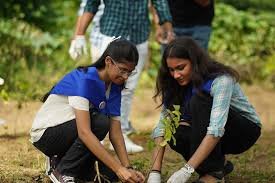
Let us turn this coming monsoon into a festival of growth. Find a spot in your backyard, your society, or a nearby public space. Plant two trees. Let your children write their names next to them. Let them care for those saplings for 365 days.
When we teach our children to protect nature, we ensure that the future generations don’t just survive global warming—they reverse it.
Are you ready to log this green entry with your family this monsoon? Let me know which two trees you and your children plan to plant in the comments below.
Connect with Dharmesh Prajapati: +91 7359585035 Call / WhatsApp
Website: ambeinfotech.com
Read more on: newsforyou.live
Disclaimer: Always plant native tree species that suit your local soil type and climate condition to ensure maximum survival rate during the first year of growth.
Beautiful Article