

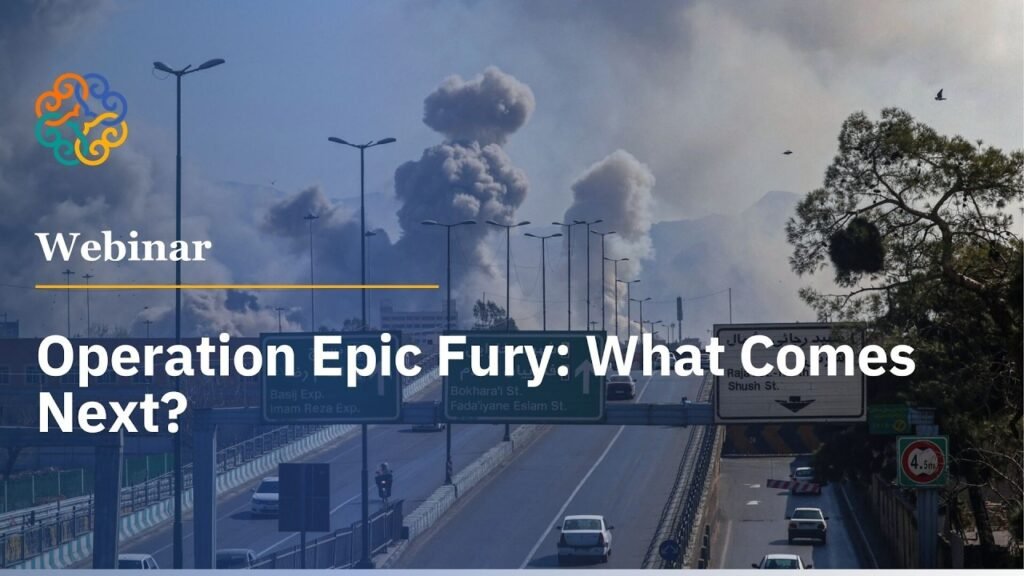
Team, here is my latest on the West Asian escalations. The focus has shifted from the “shock and awe” of the initial US-Israeli decapitation strikes to this sustained, grinding war of attrition. I’ve leaned into the local impact on Gulf energy hubs and the specific role of the Shahed drones, which are effectively serving as Tehran’s “equalizer.”
Request: Ensure the sub-headings are bolded for mobile readers. Let’s lead with the drone imagery from Riyadh.
Swarms Over the Sands: Iran’s ‘Shahed’ Retaliation Set to Redraw West Asian Lines
By Dharmesh Prajapati
March 18, 2026
TEHRAN/RIYADH – As the 2026 Iran War enters its third week, the “Operation Epic Fury” launched by the Trump administration has met a terrifyingly low-tech response that is paralyzing the world’s most sensitive energy corridor.
Tehran, reeling from the February 28 assassination of Supreme Leader Ali Khamenei and the subsequent wounding of his successor, Mojtaba Khamenei, has turned to its most effective weapon: the Shahed-series “kamikaze” drone. What was once a nuisance in the skies of Ukraine has now become a strategic nightmare for the U.S. Fifth Fleet and its Gulf allies.
The “Saturation Strategy”
Over the last 48 hours, intelligence reports confirm that Iran has deployed hundreds of Shahed-136 and the newer, jet-powered Shahed-238 drones across the region. Unlike the high-precision ballistic missiles the U.S. and Israel spent years preparing for, these drones are being used in “saturation waves.”
The logic is simple but brutal: launch 50 drones costing $30,000 each at a single target. Even if Saudi or U.S. Patriot batteries intercept 45 of them, the five that get through can—and have—crippled vital infrastructure.
“We are spending millions of dollars on interceptor missiles to shoot down lawnmowers with wings,” one defense analyst noted. “It’s a math war, and currently, the math favors Tehran.”
Energy Hubs Under Fire
The impact is already being felt at the pump and in the boardrooms of the West. The Ras Tanura refinery in Saudi Arabia—the world’s largest—remains partially offline following a weekend drone strike that sparked a massive blaze. Similarly, Qatar Energy has halted LNG production in Ras Laffan after two “unidentified” drones (widely believed to be Shahed variants) struck industrial facilities.
With the Strait of Hormuz effectively closed and the IRGC reportedly laying mines via small, difficult-to-track vessels, the global oil shock is no longer a “risk”—it is a reality.
The Ukrainian Connection
In a surreal twist of modern warfare, the frontlines of Eastern Europe have migrated to the Middle East. Ukrainian President Volodymyr Zelensky confirmed this week that 201 Ukrainian anti-drone experts are now on the ground in the UAE and Saudi Arabia. Their mission? To teach Gulf forces how to “kill” the very same drones that have terrorized Kyiv for years.
A War of Attrition
President Trump has stated that the U.S. is not ready for a deal, claiming he wants “better terms” before ending the hostilities. However, as the death toll in Iran passes 6,000 and civilian casualties in Lebanon and the Gulf states rise, the pressure is mounting.
The question remains: Can the U.S.-Israeli coalition truly achieve “regime change” while the IRGC still possesses the ability to swarm the region’s skies? As of tonight, the buzzing of Shahed engines over the Persian Gulf suggests that this war is far from its final chapter.