
By Dharmesh Prajapati
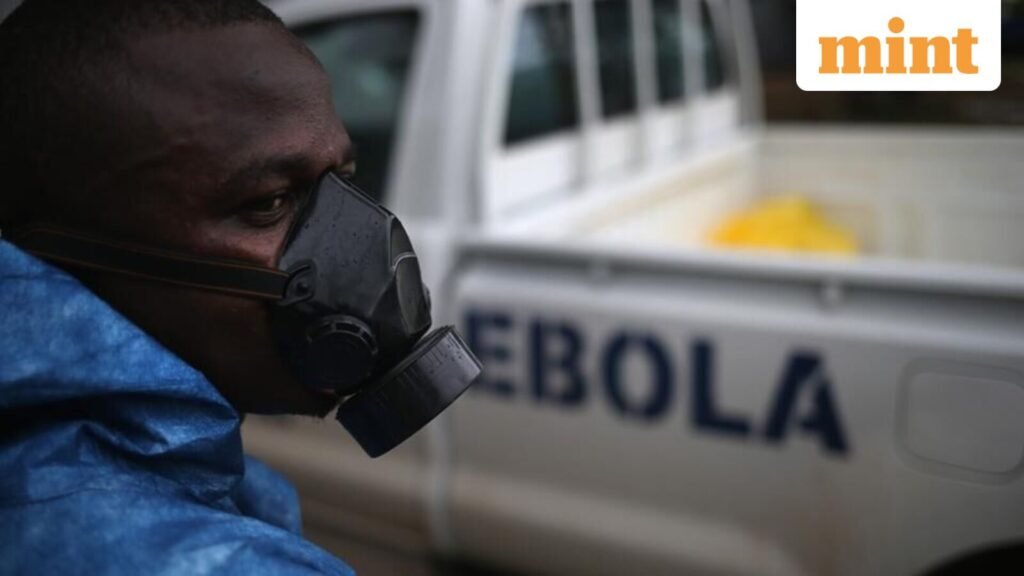
The Democratic Republic of Congo (DRC) is facing a critical escalation in its ongoing health crisis as the current Ebola virus outbreak has officially breached three new health zones. According to the latest epidemiological report released by the DRC Ministry of Health, the virus has geographical footholds within the highly volatile provinces of North Kivu and Ituri.
As of June 10, 2026, data confirmed by the health minister indicates that the total number of confirmed cases has risen sharply to 676, resulting in 136 documented fatalities.
Pathogen Identification and Transmission Mechanics
Field analysis from health agencies operating within the Ituri province (specifically near Bunia) has confirmed that this specific resurgence is driven by the Bundibugyo ebolavirus (BDBV) species.
While less common than the Zaire ebolavirus strain, the Bundibugyo variant presents severe clinical challenges. It is characterized by acute hemorrhagic fever, systemic viral replication, and high mortality rates if left untreated. Transmission dynamics within the current hot zones remain tied to direct contact with the bodily fluids of infected individuals, alongside high-risk transmission vectors during traditional community burial practices.
[Index Case / Active Vector] ────► [Direct Fluid Contact] ────► [Target Host]
                                              │
                     ┌────────────────────────┴────────────────────────┐
                     ▼                                                 ▼
        [Nosocomial Transmission]                          [Community Burial Vectors]
     (Inadequate PPE in Clinics)                        (Unprotected Contact with Deceased)
Decentralized Healthcare Architecture Under Strain
The spread into three new health zones poses a significant containment bottleneck due to the structure of the DRC’s medical system.
In the Congolese healthcare framework, a Health Zone serves as the foundational unit of regional health administration. Each zone is structured to operate semi-autonomously to manage containment protocols:
- Demographic Footprint: Each zone services a population density ranging from 100,000 to 150,000 individuals.
- Infrastructure Layout: Comprises a decentralized network of local community health clinics anchored by a single, central referral hospital.
- System Scale: There are more than 500 such health zones across the DRC.
The inclusion of these three new zones effectively expands the immediate threat radius of this outbreak to an additional 300,000 to 450,000 potentially exposed citizens, stretching localized isolation wards and contact-tracing teams to their operational limits.
Current Epidemiological Metrics
The current vector trajectory shows a steady rise in both transmission speed and mortality. The chart below reflects the verified case and fatality metrics reported by the Ministry of Health:
Outbreak Impact Metrics (As of June 10, 2026)
======================================================
Confirmed Ebola Cases     [█████████████████████████] 676
Documented Fatalities     [█████] 136
Containment Challenges and Incident Response Priorities
International aid agencies alongside local medical authorities are intensifying deployment operations in North Kivu and Ituri. However, containment efforts face deep structural hurdles:
- Geopolitical Instability: Both North Kivu and Ituri are active conflict zones marked by long-standing militia activity. This severely restricts the mobility of rapid-response medical teams and complicates the supply chain for cold-chain deployment of vaccines and therapeutic treatments.
- Contact Tracing Expansion: Entering three distinct health zones requires an immediate, exponential scale-up of localized contact tracing. This involves mapping out thousands of secondary contacts across highly mobile populations.
- Community Engagement and Bio-Security: Enforcing safe, dignified, and biosecure burial protocols remains a priority to cut off community-level superspreader events without triggering local resistance or mistrust.
Connect with Dharmesh Prajapati
+91 7359585035 Call / WhatsApp
Website: ambeinfotech.com
Read more on newsforyou.live