
By Dr. Heiral
Important facts about vitamin B12 deficiency
B12 is an important vitamin that your body needs but can’t produce. It helps make DNA, nerve, and blood cells, and is crucial for a healthy brain and immune system. Found naturally in animal products, it’s important to make sure that you’re getting enough of it, as it has many roles in your body. Some signs of vitamin B12 deficiency include exhaustion, a rapid heartbeat, and paleness.

Want to discover more about vitamin B12 deficiency? Then check out this
The best sources are meat and fish

In the end, meat and fish are the best sources of vitamin B12, especially beef liver and clams. Ground beef, oysters, trout, and salmon are also B12 superstars. You can also get B12 from eggs and milk.
Early symptoms include weakness and fatigue


Low intake of vitamin B12 makes a dent in red blood cell production, which lowers energy levels. Early signs of deficiency include feeling confused, weak, and tired.
Vegetarians and vegans are at risk


If your diet largely consists of plant-based products, then you’re at risk for B12 deficiency. Vegetarians who consume eggs and dairy should include at least one of these products a day.
Birth control pills can trigger it

Women who take birth control pills for extended periods of time tend to have issues absorbing vitamin B12. Pills that are higher in estrogen are more strongly associated with B12 deficiencies.
Heavy drinking increases your odds

Heavy drinking can cause gastritis, or irritation of the stomach lining, which can lead to low stomach acid and reduced B12 absorption. Also, B12 is stored in the liver, and alcohol consumption can impair its function.
Adults over 50 are also at risk


The older you get, the less your stomach produces less acid, which is key for B12 absorption. As a result, roughly one in 31 adults over 50 are deficient.
You can only know it with a blood test

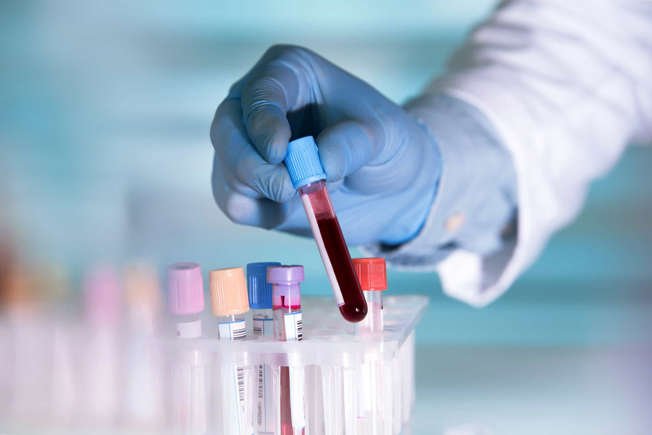
You can only know your blood levels of vitamin B12 by doing a blood test. You can do one at your primary care physician or GP.
It’s hard to overdo vitamin B12

As B12 is a water-soluble vitamin, your body only absorbs a small amount and the rest is excreted through urine. This means you can’t have any excessive side effects when you take B12 supplements. However, if you take large amounts at once, it can cause diarrhea and itchiness.
It can cause birth defects

Appropriate levels of B12 are crucial for a healthy pregnancy, as the fetus’ brain and nervous system require sufficient B12 levels to properly develop.
Digestive problems can trigger it

People who suffer with digestive issues are at a higher risk of B12 deficiency because digestive problems can make absorbing the nutrient more difficult. This includes people with Crohn’s disease, inflammatory bowel disease, leaky gut syndrome, as well as Celiac disease.
Fortified foods and supplements can help

Both fortified foods and supplements can help vegans, older adults, and anyone unable to absorb naturally occurring B12. Simply eating foods rich in B12 might not always help.
Heartburn drugs can cause it

Some heartburn drugs can suppress the production of stomach acid, which is needed to absorb vitamin B12. Research has found that taking these types of meds for more than two years was linked to a 65% higher risk of vitamin B12 deficiency.
There are also visible signs

Pale skin, mouth sores, and a swollen tongue are some visible signs of B12 shortage. Caused by changes in the blood flow due to the deficiency, these signs usually take years to show up.
It can trigger a false positive on a Pap test

Vitamin B12 deficiency even affects the Pap test, which you get at your gynecologist’s to screen for cervical cancer. Low B12 levels can change the way some cervical cells look, potentially triggering a false positive.
It can be hard to recognize a deficiency
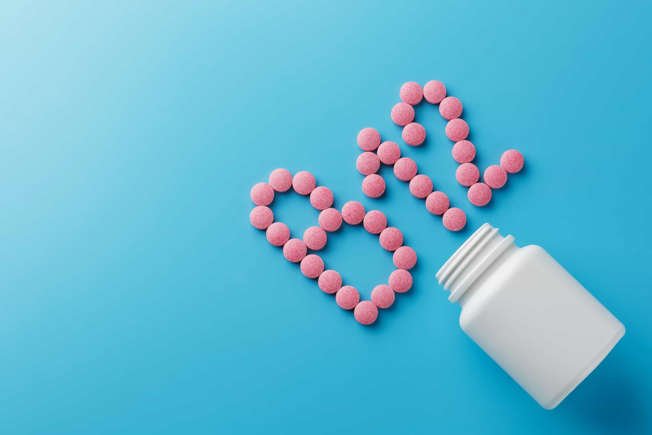

You’re unlikely to notice any symptoms of deficiency early on, as the body can store B12 for three to five years. Any signs usually appear gradually. Usually after initial clues like fatigue and weakness, more advanced signs show up, such as tingling and depression. The signs are varied and don’t affect everyone.
It can be mistaken for dementia


Symptoms of deficiency include memory loss, disorientation, and difficulty thinking, which often mimic signs of dementia. And as older folks often suffer from both, it can be hard to distinguish
It can cause tingling, weakness, and balance issues

Depletion of vitamin B12 storage leads to nerve damage. Tingling, weakness, and balance issues are all consequences of long-term B12 deficiency.
It’s linked to immune system issues

B12 plays an important role in white blood cell production, which is essential for proper immune system functioning. Also, some immune system disorders can increase your likelihood of becoming B12 deficient.
It can happen after weight loss surgery

Some surgeries, such as gastric bypass, that affect the gastrointestinal tract can make it hard to absorb B12. This is largely due to the decreased ability of the body to digest food.
It’s linked to pernicious anemia
B12 deficiency can trigger a specific type of anemia called pernicious. It can be the result of an autoimmune issue, a problem with the stomach lining, or even a congenital condition passed down through generations.
It can cause an increased risk of osteoporosis

Adequate vitamin B12 levels are important for your bone health. Low blood levels of B12 have been associated with an increased risk of osteoporosis.
Babies can get it

Vitamin B12 deficiency in infants is rare but can happen. Serious symptoms such as anemia, problems with movement, and reaching development milestones can be fatal. This can occur if the baby is strictly fed a diet free of any animal products, or if a breastfeeding mom is a vegan who doesn’t take vitamin B12 supplements.
It can cause permanent damage

B12 deficiency that persists for years can cause severe, irreversible neurologic damage. Some consequences include memory loss, lack of concentration, and disorientation.
Sources: (Health.com) (Healthline)