
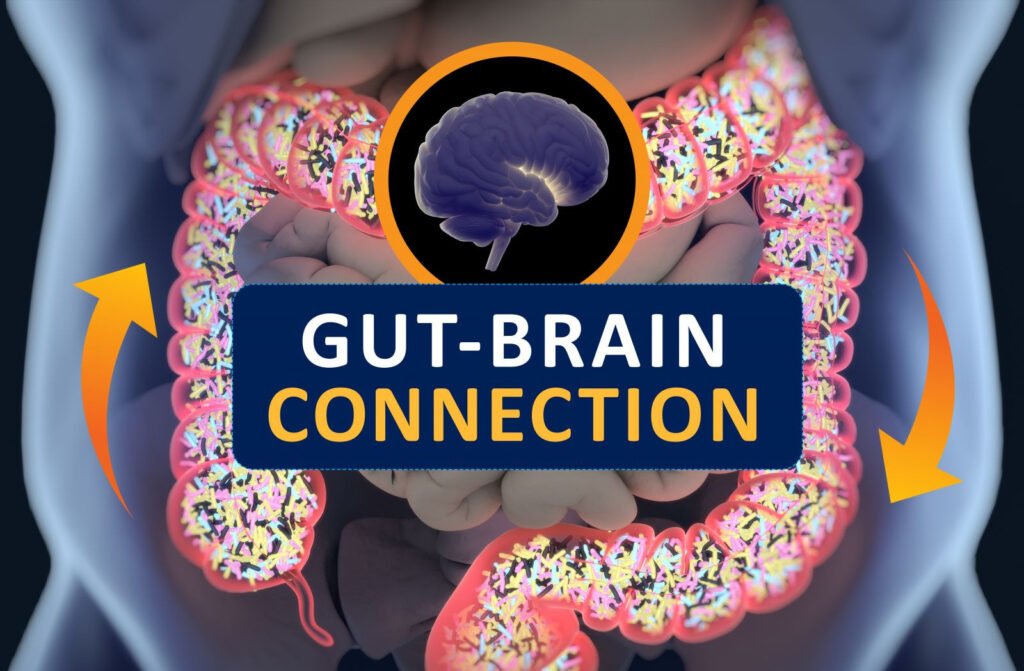
Many patients ask, “Why does my anxiety also show up in my stomach as gas, bloating or IBS-like discomfort?” Increasing evidence links magnesium, the gut–brain axis and mood. Low magnesium has been associated with higher stress, nervousness and anxiety symptoms in several human studies. Magnesium helps regulate the stress response, including cortisol and excitatory brain receptors, and may have mild direct anxiolytic effects.
At the same time, chronic stress and anxiety disturb gut motility, stomach acid and microbiome balance, which in turn send “alarm signals” back to the brain. Experimental data suggest that magnesium may modulate this gut–brain loop by supporting a healthier microbiome and reducing inflammatory messengers that worsen anxiety and depression. This is one reason anxious patients often report both digestive discomfort and a sense of inner restlessness when magnesium is low.
In practical terms, my approach is layered. First, I assess diet and symptoms of possible deficiency such as muscle tightness, poor sleep, headaches, constipation and mild anxiety. Then, depending on the case, I combine magnesium-rich foods, stress-reducing practices (yoga, pranayama, meditation), gut-healing nutrition and, when clinically indicated, a gentle magnesium supplement. This integrated plan aims not only to reduce anxiety but also to break the vicious cycle between stress, magnesium loss, gut imbalance and emotional health
Editorial note (NewsForYou Live):
In this fourth article of the series, Senior Nutritionist and Naturopathy & Yoga Specialist Dr. Hiral Prajapati highlights how magnesium sits at the intersection of the gut–brain axis, stress hormones and mood, emphasising a holistic strategy that blends nutrition, yoga and targeted supplementation for anxiety relief