
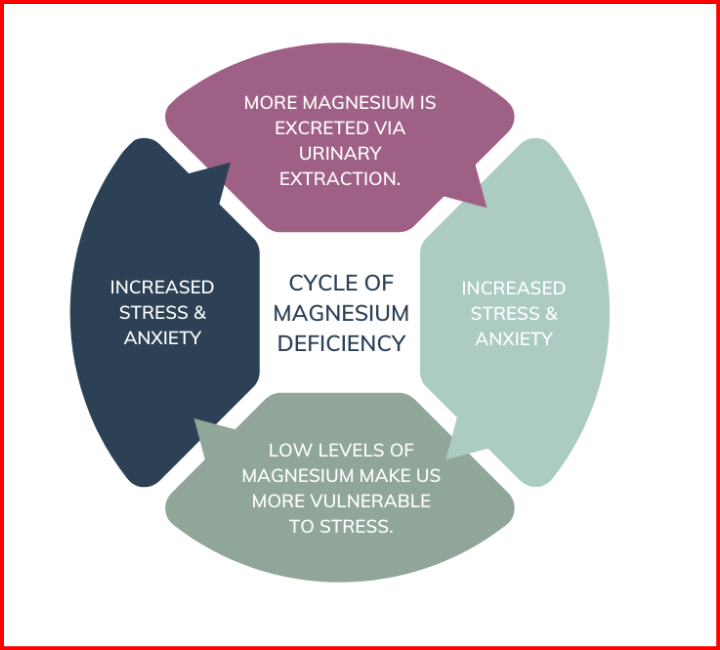
In my clinic, I always start anxiety care with food and lifestyle, but some patients still feel wired, restless and sleepless despite good habits. In such cases, a carefully chosen magnesium supplement can be a useful add-on. Research suggests that magnesium supports the brain’s “brake system” by reducing excess glutamate (the excitatory neurotransmitter) and supporting GABA, which helps calm the nervous system. Some clinical trials also show improvements in subjective anxiety scores with magnesium supplementation, though the research is still evolving and not a magic cure.
You will find many forms in the market – oxide, citrate, glycinate, threonate and combinations. For anxiety, forms like magnesium glycinate and sometimes taurate are often preferred because they are better tolerated and less likely to cause loose motions compared to citrate or oxide. Dose is highly individual, but most adults do not need more than low to moderate supplemental doses when diet is already rich in magnesium. Side effects can include diarrhea, abdominal cramps, nausea and, in very high doses or in people with kidney problems, even toxicity.
My professional advice is clear: never self-prescribe high-dose magnesium, especially if you are pregnant, on heart medicines, diuretics or antibiotics, or have kidney disease. Always discuss supplements with your doctor and clinical nutritionist so that they fit safely with your medicines, blood reports and overall treatment plan. In the right person, at the right dose and duration, magnesium can be a gentle support for anxiety, but it is only one part of a holistic plan that includes food, movement, sleep hygiene, counselling and yoga-based relaxation.
Editorial note (NewsForYou Live):
In this article, Senior Nutritionist and Naturopathy & Yoga Specialist Dr. Hiral Prajapati explains that magnesium supplements may help some individuals with anxiety but should always be used under medical guidance and alongside lifestyle changes, not as a standalone “anti-anxiety pill”.