
By Dharmesh Prajapati
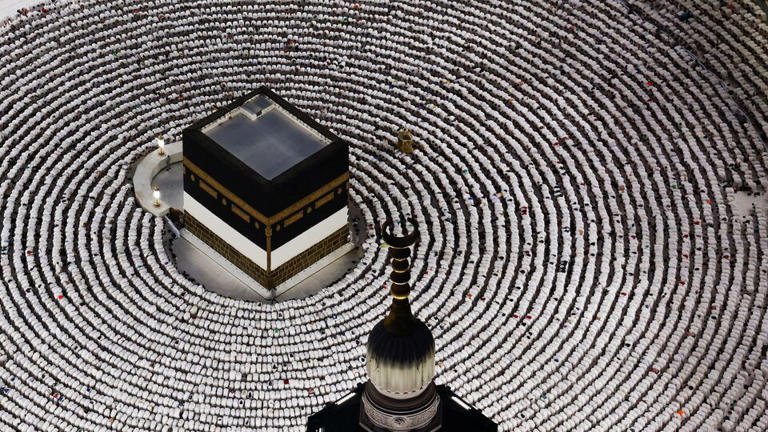
Saudi Arabia, leading a unified front of Gulf Arab nations, has reportedly made an urgent diplomatic appeal to US President Donald Trump, asking Washington to delay any potential new military strikes against Iran until after the annual Hajj pilgrimage.
According to senior regional officials and diplomatic sources close to the discussions, Gulf leaders have explicitly warned the White House that a resumption of hostilities right now could cause a logistical and humanitarian crisis, potentially leaving more than 1.5 million international Muslim pilgrims trapped in the region.
The request comes as a fragile, April-enacted ceasefire hangs by a thread. Just last week, President Trump admitted he had a “very major attack” fully prepared, only to postpone it at the final hour following direct telephone interventions from the leaders of Saudi Arabia, Qatar, and the United Arab Emirates.
The looming logistics nightmare
This year’s Hajj commenced on May 24, drawing massive crowds to the holy city of Mecca despite months of intense geopolitical anxieties. However, the memory of earlier escalations remains fresh.
When the US and Israel launched coordinated strikes on Iran on February 28 to target its nuclear and missile programs, Tehran retaliated with waves of drone and missile strikes across the Gulf.
Saudi Arabia, leading a unified front of Gulf Arab nations, has reportedly made an urgent diplomatic appeal to US President Donald Trump, asking Washington to delay any potential new military strikes against Iran until after the annual Hajj pilgrimage.
According to senior regional officials and diplomatic sources close to the discussions, Gulf leaders have explicitly warned the White House that a resumption of hostilities right now could cause a logistical and humanitarian crisis, potentially leaving more than 1.5 million international Muslim pilgrims trapped in the region.
The request comes as a fragile, April-enacted ceasefire hangs by a thread. Just last week, President Trump admitted he had a “very major attack” fully prepared, only to postpone it at the final hour following direct telephone interventions from the leaders of Saudi Arabia, Qatar, and the United Arab Emirates.
Track our live coverage of the Iran war here.
The looming logistics nightmare
This year’s Hajj commenced on May 24, drawing massive crowds to the holy city of Mecca despite months of intense geopolitical anxieties. However, the memory of earlier escalations remains fresh.
When the US and Israel launched coordinated strikes on Iran on February 28 to target its nuclear and missile programs, Tehran retaliated with waves of drone and missile strikes across the Gulf.For Riyadh, the priority remains keeping the peace until the holy rites conclude.