By Dharmesh Prajapati March 19, 2026
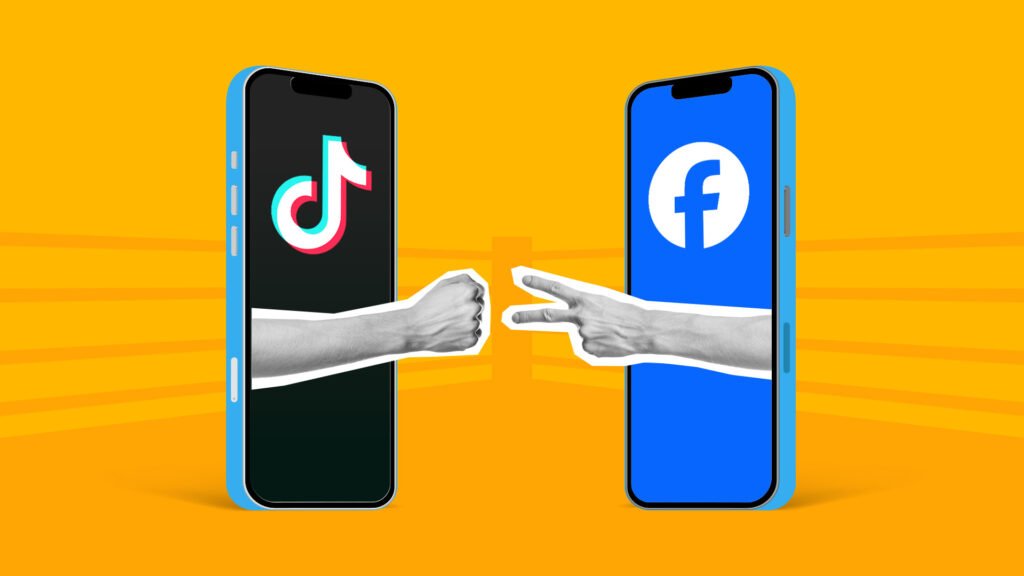
MENLO PARK/MUMBAI – In a move that has sent shockwaves through the influencer marketing world, Meta has officially launched “Project Zenith,” a massive new monetization program designed to do one thing: strip TikTok and YouTube of their most valuable assets—their creators.
For years, Facebook was seen as the “legacy” platform, while TikTok owned the trendsetters and YouTube owned the long-form professionals. But as of this morning, Mark Zuckerberg has rewritten the rules of the engagement economy, offering a revenue-share model that makes the “Creator Fund” look like pocket change.
The “Zenith” Advantage: Higher Cuts, Lower Barriers
The core of the new program is a radical shift in how ad revenue is split. While YouTube has long held the gold standard with a 55/45 split for long-form content, Facebook is now offering an unprecedented 60% revenue share for creators across Reels, Stories, and Live broadcasts.
The Battle for the Bottom Line:
As shown in the comparison below, Facebook is intentionally undercutting the competition. By offering a higher percentage of ad revenue and integrating “Virtual Gifts” with a lower platform commission, they are targeting the “middle-class” creator—the thousands of influencers who have millions of views but struggling bank accounts.
Why Now? The “TikTok Fatigue” Factor
The timing isn’t accidental. With the ongoing geopolitical tensions we’ve been covering, many Western and South Asian creators are feeling the “security risk” fatigue associated with TikTok. Facebook is positioning itself as the “Safe & Stable” alternative.
“Creators are tired of being platform-homeless,” says a Mumbai-based digital strategist. “They want to know that their income won’t vanish because of a government ban or a sudden algorithm shift. Facebook is offering them a ‘Digital Fixed Deposit’ with high interest.”
The Dual Standard: Corporate vs. Independent
Much like the political double standards we see in the Congress party’s critique of cinema, there is a corporate double standard at play here. Facebook has spent years being criticized for “cloning” features from rivals. However, the market is proving that the audience doesn’t care about “originality” as much as they care about accessibility and reward.
While the “elite” tech critics in Silicon Valley might scoff at Facebook’s aggressive poaching, the reality on the ground in cities like Valsad and Ahmedabad is different. Local creators are seeing this as a path to financial independence that doesn’t require a Hollywood-style production budget.
What This Means for the “Newsforyou” Community
As we continue to grow our own digital footprint, this shift is a signal. The “Creator Economy” is no longer just about viral dances; it is a legitimate pillar of the global economy. Whether you are a political analyst, a wellness expert like Dr. Hiral, or a tech reviewer, the platforms are now fighting for your attention.
The question for 2026 is: Will creators remain loyal to the “cool” factor of TikTok, or will they follow the money to the rejuvenated blue giants of Menlo Park? If the initial sign-ups are any indication, the migration has already begun.
Editorial Note
To: News Desk, Newsforyou.live
From: Dharmesh Prajapati, Senior International Correspondent
Subject: Tech & Digital Economy – The Battle for the Creator Economy
Team, we’re pivoting back to the digital frontlines. While the US-Iran conflict disrupts the physical world, the “Platform Wars” are heating up in the virtual one. Meta (Facebook) has just dropped a nuclear option in the creator economy to bleed TikTok and YouTube of their top talent. This isn’t just a “feature update”—it’s a direct assault on the short-form video monopoly.
Request: Let’s feature the “Revenue Share Comparison” chart prominently. Our readers—many of whom are aspiring digital entrepreneurs—need to see the raw numbers to understand why this is a game-changer for Indian creators.