
By Dharmesh Prajapati
March 18, 2026
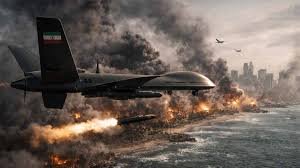
Team, I’m seeing a major shift in the narrative from the Pentagon. The bravado of the first ten days is being replaced by a frantic scramble for “burden sharing.” My sources in Brussels and London are confirming that the “snub” is real—allies are horrified by the collateral damage and the economic fallout of the Hormuz closure. I’ve framed this around Trump’s increasingly isolated rhetoric and the military’s quiet admission that air superiority doesn’t equal control.
Request: Lead with the photo of the empty chairs at the Brussels summit. This is about the “loneliness of the superpower.”
The Isolation of Washington: US Military Hits a Wall as Trump’s ‘Coalition of One’ Falters
By Dharmesh Prajapati
March 18, 2026
WASHINGTON/LONDON – For two weeks, the world was told that “Operation Epic Fury” would be a swift, surgical decapitation of the Iranian regime. But as the smoke clears over a darkened Tehran and a shuttered Strait of Hormuz, a cold reality is setting in at the Pentagon: you can bomb a country into the stone age, but you cannot bomb it into submission from 30,000 feet.
In a series of increasingly frantic statements, President Donald Trump has begun to lash out at traditional allies, accusing them of a “lack of enthusiasm” for a war they never signed up for. The bravado of the early strikes has given way to a desperate attempt to outsource the mounting costs—and the growing body count—of a conflict that has no clear exit ramp.
The “Admission” Between the Lines
While Secretary of War Pete Hegseth continues to tout “unprecedented lethality,” the tactical reality tells a different story. U.S. Central Command (CENTCOM) officials have quietly admitted that while Iran’s conventional navy is at the bottom of the Gulf, its “asymmetric” capabilities—thousands of mobile drone launchers and hidden mine stockpiles—remain largely intact.
The U.S. military is effectively admitting a strategic stalemate. They have air superiority, but they do not have control.
“We can hit 7,000 targets,” one senior defense source told me on the condition of anonymity. “But we can’t stop a guy with a $500 GPS and a motorboat from closing the global economy. We’re winning every battle, but we’re losing the war of attrition.”
The Great Allied Snub
Over the weekend, President Trump took to Truth Social to demand that NATO, the UK, and even China send warships to protect the Strait of Hormuz. The response from the international community was a deafening silence followed by a sharp “no.”
- The UK: Prime Minister Keir Starmer has distanced London from the offensive, stating he does not believe in “regime change from the skies” and limiting British involvement to strictly defensive intercepts.
- Germany: The German Defense Ministry was even more blunt, essentially telling Washington: “This is not our war.”
- The Gulf States: Even the regional partners who stand to lose the most from Iranian aggression are balking. They have seen the “shocks” Trump spoke of—retaliatory strikes on Riyadh and Dubai—and have realized that Washington’s “protection” comes with a price tag they aren’t willing to pay.
Trump’s “Math” vs. Reality
The President’s rhetoric has shifted from “winning big” to “sharing the bill.” Trump argued that since other countries use the Strait of Hormuz more than the U.S. does, they should be the ones fighting to open it. It is a transactional view of war that has left America more isolated than at any point since the 2003 invasion of Iraq.
By demanding allies join a war that was launched without their consultation—and in the wake of an assassination that many world leaders privately condemn as illegal—Trump has effectively painted himself into a corner.
The Shadow of the “Escalation Trap”
As the war enters its third week, the “math war” I mentioned in my previous report has turned into a political one. Iran’s strategy is simple: make the war impossible for the West to sustain. By hitting global energy hubs and forcing the U.S. to beg for help, Tehran is proving that even a crippled regime can crack a superpower’s alliances.
The “Epic Fury” promised by Washington is starting to look like a long, lonely, and incredibly expensive slog.
Editorial Note
To: News Desk, Newsforyou.live
From: Dharmesh Prajapati, Senior International Correspondent
Subject: Coverage of U.S. Coalition Fractures – Operation Epic Fury