
By Dharmesh Prajapati
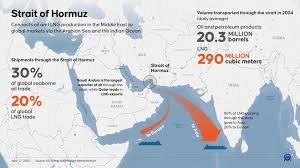
As someone who spends a lot of time analyzing global trends and their impact on our digital and local economies, I can’t ignore the headlines coming out of the Middle East this weekend. We aren’t just looking at another “regional conflict”; we are witnessing a high-stakes standoff that could change how the world moves, breathes, and powers its homes.
The 48-Hour Ultimatum
The latest and most critical development occurred on Sunday, March 22, 2026. U.S. President Donald Trump has issued a staggering 48-hour deadline: Iran must fully reopen the Strait of Hormuz, or the U.S. will “obliterate” Iran’s power plants.
Why does this matter to us in India or anywhere else? The Strait of Hormuz is the world’s most important oil artery. With daily exports already down by 60%, a total blockade doesn’t just mean higher petrol prices—it means a massive disruption to the global supply chain, affecting everything from the cost of shipping to the price of the mobile phone in your pocket.
The Nuclear Escalation
The war, now in its fourth week, took a dark turn over the weekend with strikes targeting nuclear-related sites. Iran launched missile barrages near Israel’s Dimona nuclear research facility in retaliation for a strike on Iran’s Natanz enrichment plant. While international watchdogs report no radiation leaks yet, the psychological impact is massive. More than 100 people were injured in southern Israeli towns like Arad, signaling that the “rules of engagement” are being rewritten in real-time.
A Regional Ripple Effect
This isn’t contained to just two countries. Over the weekend, the UAE and Kuwait intercepted several ballistic missiles and drones launched from Iran. In Surat, right here in India, we are already seeing the local impact—migrant workers are reportedly leaving due to LPG shortages and rising costs fueled by the West Asia tensions.
The Digital Front
As a tech enthusiast, I’m also watching the cyber-warfare aspect. Iran’s energy minister reported “heavy damage” to water and energy infrastructure due to cyber-attacks. This is a reminder that in 2026, the first line of any war is often fought with code before a single missile is launched.
The world is holding its breath as the clock ticks toward Tuesday. Whether we see a “de-escalation” or a significant expansion of the conflict depends on what happens in the next few hours.
Editorial Notes
- Tone: Grounded, analytical, and urgent. It bridges the gap between global geopolitical news and its practical impact on local economies (like the LPG shortages mentioned in Surat).
- Persona: Reflects Dharmesh’s interest in tech, infrastructure, and the direct consequences of global events on the common man and the digital industry.