
By Dharmesh Prajapati
WASHINGTON / DUBAI — June 13, 2026
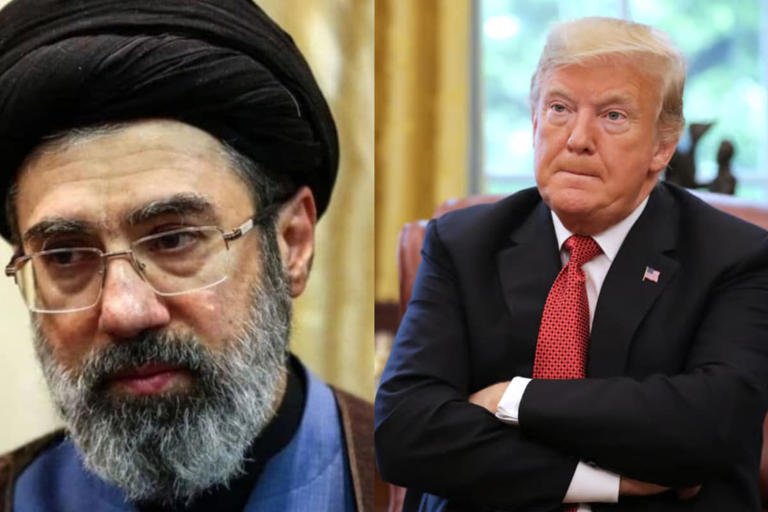
In the most significant diplomatic breakthrough since the conflict erupted on February 28, the United States and Iran are on the verge of finalizing a comprehensive peace framework to end months of intense regional warfare. However, while Washington and international mediators are pushing for an immediate conclusion, Tehran continues to express caution regarding the exact timeline.
The Hindu+ 1
The Sunday Signing Prediction
U.S. President Donald Trump and Pakistani Prime Minister Shehbaz Sharif—whose country has been actively mediating the backchannel negotiations in Islamabad—both forecast that an initial framework agreement could be signed as early as Sunday, June 14, which also marks Trump’s 80th birthday.
CBC
Taking to social media on Saturday, President Trump announced that the long-elusive memorandum of understanding (MoU) was ready. “The Deal is scheduled to get signed tomorrow, and immediately after it is signed, the Hormuz Strait is OPEN TO ALL,” Trump posted on Truth Social, adding that the framework would act as a permanent barrier to Iran acquiring a nuclear weapon.
The Hindu+ 1
Prime Minister Sharif echoed this optimism, confirming that both nations had successfully agreed on the core tenets of a peace framework. He stated that Islamabad is currently setting up the infrastructure for an electronic signing ceremony on Sunday, which would be swiftly followed by detailed, technical-level discussions in the coming week.
The Hindu+ 1
Tehran Signals Progress but Rejects the Timeline
Despite the wave of optimism washing over Washington and Islamabad, Iranian officials have deliberately downplayed expectations of an immediate Sunday conclusion.
CBS News
Iranian Foreign Ministry spokesperson Esmaeil Baghaei confirmed that major sections of the peace framework are close to completion but explicitly refuted the 24-hour timeline. “We will have to wait and see about the exact date of the signing… although it will not be tomorrow,” Baghaei stated via state-run media on Saturday. He noted that while a signing in the coming days remains highly possible, Iran is maintaining a cautious stance due to “hesitation” and conflicting narratives from the American side.
The Times of Israel+ 2
A major point of contention remains how the deal is being framed:
- The U.S. Perspective: Washington officials claim the deal guarantees the eventual dismantling of Iran’s nuclear program, an intense international inspection regime, and the ultimate destruction of Iran’s enriched uranium stockpiles. The Straits Times
- The Iranian Perspective: Iranian state media (IRNA) insists that Tehran has made no commitments to cede management of the Strait of Hormuz. Instead, Iranian negotiators expect the phased lifting of the U.S. naval blockade, the suspension of energy sanctions, and the release of $24 billion in frozen Iranian assets.
Internal Opposition and Protester Skepticism
The potential compromise has triggered immediate domestic friction within Iran. Despite months of heavily degrading U.S. airstrikes that have damaged Iran’s military-industrial base, experts note that the wartime environment has firmly entrenched the domestic power of hardline Revolutionary Guard factions.
The Straits Times
On Saturday, dozens of hardline protesters gathered outside a foreign ministry office in the northeastern city of Mashhad. Waving red and black flags, the demonstrators chanted slogans against Iranian Foreign Minister Abbas Araghchi, accusing the diplomatic team of making far too many concessions to Western powers and compromising Iran’s strategic leverage over global shipping lanes.
CBS News+ 1
With the text of the “Islamabad Memorandum” largely finalized, the next 48 hours will prove decisive in determining whether diplomacy can successfully halt the Middle East war or if domestic political rifts will derail the framework at the finish line
Dharmesh Prajapati Connect: +91 7359585035 (Call / WhatsApp)
Website: ambeinfotech.com
Read more: newsforyou.live